 CCPTR,
  Confederation with Confederation of Indian Industry(CII)


 Federation of Indian Chambers of Commerce and Industry
 National Skill Development Corporation
 DGCA-Approved for Dangerous Goods Training(DGR)
 Ministry of Education
 MoE's Innovation Cell
 Institution's Innovation Council
 AICTE Approved
 We Offer Student Credit Card (Authorized by The Government of West Bengal)

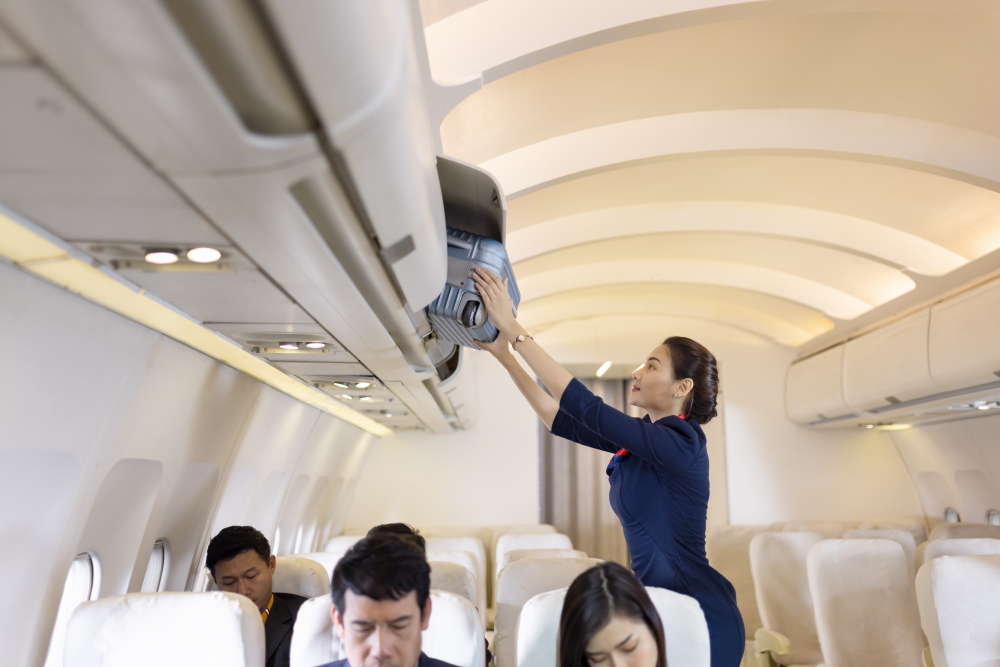
Becoming an air hostess is a dream for many young individuals. Travelling the world, meeting new people, experiencing different cultures, and enjoying numerous perks are undeniably appealing. However, behind the glamorous image lies a profession filled with demanding challenges.
This blog highlights the challenges air hostesses face, offering a more realistic view of this high-flying career.
Irregular Hours and Jet Lag
Air hostesses face a big challenge with their work hours. Unlike most jobs with set schedules, they have to be ready to work at all sorts of times—late at night, early in the morning, even on weekends and holidays.
Then there's jet lag. Flying across different time zones can really confuse their bodies. Even though it's tough, they keep going, flying through the challenges to make sure passengers have a safe and comfortable journey.
Physical Demands
The job of an air hostess is physically demanding. Long hours on their feet, lifting heavy luggage, and navigating narrow aisles can lead to musculoskeletal problems. Many air hostesses suffer from back pain, joint issues, and varicose veins due to prolonged standing and walking.
Additionally, working in the confined space of an aircraft means air hostesses must maintain high levels of physical fitness and stamina. The expectation to appear well-groomed and composed at all times adds another layer of physical and mental strain. Regular exercise, proper ergonomics, and sometimes physiotherapy are essential to manage these physical challenges.
Emotional and Psychological Stress
Dealing with a diverse group of passengers can be emotionally exhausting. Air hostesses often encounter rude, demanding, or even aggressive passengers. Managing these interactions with patience and professionalism is crucial but can lead to significant emotional stress.
Moreover, air hostesses are trained to handle in-flight emergencies, including medical crises, security threats, and emergency landings. While these situations are rare, they require calmness under pressure and quick decision-making, which can be mentally draining. The responsibility of ensuring the safety and comfort of passengers can be overwhelming, leading to anxiety and stress.
Safety and Security Concerns
Safety is a top priority in aviation, and air hostesses are on the front line of ensuring passenger safety. They must remain vigilant and prepared to handle a wide range of emergencies, from medical incidents to potential security threats. This constant state of readiness can be mentally exhausting.
Turbulence, although common, also poses a significant challenge. It requires air hostesses to stay composed and manage the cabin effectively while ensuring passengers are safe and calm. The risk of in-flight incidents, however rare, always looms, requiring air hostesses to be perpetually alert and prepared.
Work-Life Balance
Maintaining a healthy work-life balance is particularly difficult for air hostesses. The irregular hours and frequent travel often mean missing out on family events, holidays, and other social activities. This can lead to feelings of isolation and disconnection from loved ones.
Health Risks
The confined space of an aircraft, combined with exposure to varying climates and altitudes, poses several health risks. Air hostesses are more susceptible to infections due to close quarters and high passenger turnover. The dry cabin air can cause dehydration and skin issues, while fluctuating cabin pressure can lead to ear and sinus problems.
Long-term exposure to radiation at high altitudes is another concern for flight attendants. Studies have suggested a potential link between frequent flying and an increased risk of cancer. Regular health check-ups and a proactive approach to health and wellness are essential for air hostesses.
Continuous Learning and Adaptation
The aviation industry is constantly evolving, with new safety protocols, technological advancements, and regulatory changes. Air hostesses must engage in continuous learning to stay updated. Regular training sessions, exams, and drills are part of the job, requiring air hostesses to be adaptable and committed to lifelong learning.
This need for constant learning can be mentally taxing, especially when combined with the already demanding job duties. However, it is crucial for ensuring safety and efficiency in the ever-changing aviation landscape.
Coping Strategies and Support Systems
To navigate these challenges, air hostesses often develop a range of coping strategies. Time management skills are crucial for balancing work and personal life. Effective communication and conflict resolution skills help manage difficult passenger interactions. Regular physical exercise and a healthy diet are essential for maintaining physical health and stamina.
Support systems, both professional and personal, play a vital role. Airlines often provide employee assistance programs, counseling services, and peer support groups to help air hostesses manage stress and mental health issues. Building a strong network of friends and family who understand the demands of the job is equally important for emotional support.
Being an air hostess is both challenging and rewarding. The job offers the chance to travel the world and meet diverse people but comes with unique challenges like irregular hours, physical demands, and emotional stress. By developing coping strategies and using support systems, air hostesses can manage these challenges and enjoy a fulfilling career. The best air hostess training college in Kolkata is deeply committed to meticulously preparing students for flourishing careers in aviation

Leave a comment