 CCPTR,
  Confederation with Confederation of Indian Industry(CII)


 Federation of Indian Chambers of Commerce and Industry
 National Skill Development Corporation
 DGCA-Approved for Dangerous Goods Training(DGR)
 Ministry of Education
 MoE's Innovation Cell
 Institution's Innovation Council
 AICTE Approved
 We Offer Student Credit Card (Authorized by The Government of West Bengal)

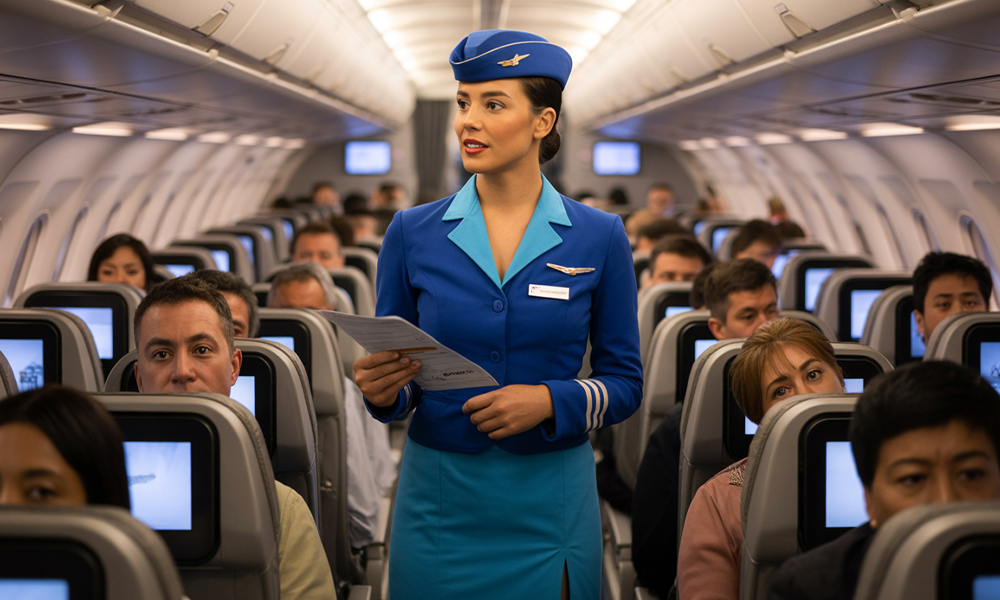
When you step onto a plane, the journey begins long before takeoff. From the moment a passenger enters the airport to the final landing, the experience is shaped by countless interactions, gestures, and services. This is where aviation hospitality plays a crucial role. It is the art of ensuring passengers feel comfortable, safe, and valued throughout their journey.
Aviation hospitality includes delivering meals, assisting with luggage, and ensuring passengers feel comfortable and cared for throughout their journey. For many travelers, their first impressions of an airline are formed in these moments: the welcome at the check-in counter, the friendliness of the cabin crew, the smooth handling of requests, and the way concerns are addressed. Every small action contributes to an experience that passengers remember long after their flight.
Enhancing Passenger Comfort and Satisfaction
Comfort in air travel encompasses attention, empathy, and responsiveness. Proper Training helps aspirants to recognize passenger needs and respond promptly. A senior traveler needing assistance with luggage, a child traveling alone, or someone nervous about flying, each situation requires awareness, patience, and skill.
Passengers who feel attended to and respected are more likely to enjoy their journey and trust the airline. Personalized service, a smile, and proactive assistance transform a routine flight into a seamless experience.
Building Trust and Safety
Safety is at the core of aviation, and hospitality and safety are intertwined. Well-trained crew members demonstrate procedures clearly, provide reassurance during turbulence, and maintain composure in unexpected situations. These actions not only protect passengers physically but also create a sense of emotional security. Travelers who feel safe and supported are calmer, cooperative, and more satisfied with their journey.
Aviation hospitality extends to problem-solving in real time. Missed connections, delayed flights, or special requests can become stressful for passengers. Crew members trained in hospitality manage these situations smoothly, offering alternatives, communicating clearly, and ensuring passengers feel heard. This balance of professionalism and empathy makes a significant difference in overall passenger satisfaction.
The Role of Training and Courses
Top Aviation Courses provide aspiring professionals with the knowledge, skills, and confidence needed to excel in this field. This program covers customer service, passenger handling, safety protocols, communication, and cultural sensitivity. Students learn how to anticipate needs, respond to challenges, and maintain professionalism under pressure.
Hands-on training and internships are central to aviation hospitality courses. Students practice real-world scenarios such as assisting passengers with disabilities, managing in-flight service, and handling emergencies. This practical exposure helps them develop a calm, approachable demeanor that passengers notice and appreciate.
Impact on Airline Reputation
Passenger experience directly affects an airline’s reputation. Satisfied travelers are likely to choose the same airline again and recommend it to others. Negative experiences, on the other hand, can spread quickly through reviews and social media. Aviation hospitality ensures that interactions between crew and passengers consistently reinforce a positive image.
For airlines competing in a global market, excellent service is a differentiator. When travelers receive courteous, attentive, and efficient service, they associate the airline with reliability and quality. This can influence ticket sales, loyalty programs, and brand perception on an international scale.
Soft Skills That Make a Difference
Beyond technical knowledge, aviation hospitality relies heavily on soft skills. Effective communication, empathy, cultural awareness, patience, and problem-solving are essential. Crew members interact with people from diverse backgrounds, requiring sensitivity to language, customs, and personal preferences.
Soft skills also allow crew members to handle unexpected challenges gracefully. A passenger with a special request, a minor medical situation, or an anxious traveler can be assisted with calm and confidence. These human interactions define the quality of service and elevate passenger satisfaction in ways that automated systems or policies cannot.
Global Career Opportunities
Professionals trained in aviation hospitality find opportunities across the world. Airlines, private jets, and international airports seek skilled individuals who can deliver service that meets global standards. Graduates of diploma programs or specialized courses can pursue careers as cabin crew, ground staff, customer service executives, or airline operations professionals.
With travel rebounding globally, the demand for trained aviation hospitality professionals is growing. Candidates with both technical knowledge and strong interpersonal skills stand out, opening doors to international roles that combine travel, service, and professional growth.
A Passenger-Centered Approach
Ultimately, aviation hospitality is about people. It focuses on anticipating needs, offering comfort, ensuring safety, and creating memorable journeys. Every smile, helpful gesture, or thoughtful response contributes to a passenger’s perception of the airline. For crew members, this is both a responsibility and an opportunity to make a positive impact.
Air travel can be stressful, unfamiliar, or exhausting, but well-trained aviation hospitality professionals transform these challenges into smooth, enjoyable experiences. By prioritizing passenger comfort, safety, and satisfaction, they ensure that every journey leaves a lasting impression.
Aviation hospitality is an essential part of modern air travel. It influences passenger experience, builds trust, strengthens an airline’s reputation, and opens international career opportunities for professionals. From assisting travelers at the airport to ensuring in-flight comfort, hospitality plays a key role at every stage of the journey.
For aspiring aviation professionals, enrolling in the best aviation college in Kolkata and pursuing the top aviation hospitality course provides the skills, confidence, and practical experience needed to succeed. Every interaction with passengers becomes a chance to make a meaningful impact, showing that attentive, thoughtful service lies at the heart of every memorable flight.

Leave a comment