 CCPTR,
  Confederation with Confederation of Indian Industry(CII)


 Federation of Indian Chambers of Commerce and Industry
 National Skill Development Corporation
 DGCA-Approved for Dangerous Goods Training(DGR)
 Ministry of Education
 MoE's Innovation Cell
 Institution's Innovation Council
 AICTE Approved
 We Offer Student Credit Card (Authorized by The Government of West Bengal)

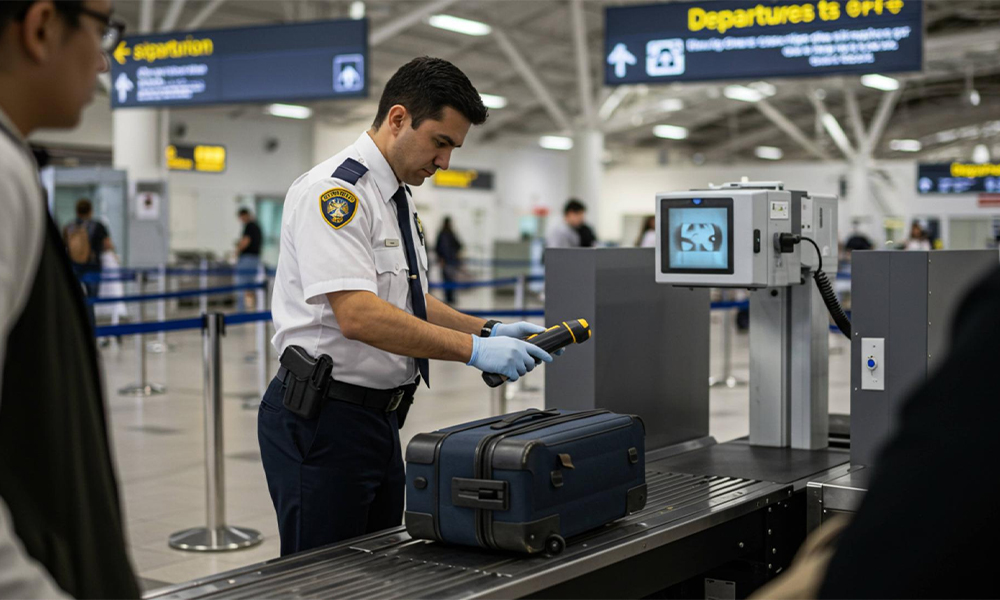
Airports are bustling hubs where countless activities happen simultaneously. From the moment a plane lands to when it takes off again, every operation is carefully coordinated. For those who choose a career in airport operations, the experience is both demanding and rewarding in equal measure. This role requires a mix of technical knowledge, quick thinking, and strong interpersonal skills, offering a dynamic work environment that few other professions can match.
Understanding the Role
Airport operations cover a wide range of responsibilities. Staff ensure that flights depart on time, passengers are guided efficiently, and safety protocols are strictly followed. The work extends to coordinating with ground services, managing baggage handling, overseeing airport facilities, and supporting customer service teams. Each day presents new challenges, and every decision can have a significant impact on passenger experience and airline efficiency.
Ground Staff Responsibilities and Training
Ground staff are the backbone of airport operations, managing essential tasks that keep flights running efficiently. Their duties include handling check-ins, assisting passengers during boarding, managing baggage, and addressing passenger queries or special requirements. Ground staff training equips them with the technical knowledge, operational procedures, and communication skills needed to perform these responsibilities effectively. This training prepares them to work confidently in fast-paced environments, respond to unexpected situations, and ensure passenger satisfaction, all while maintaining strict adherence to safety standards.
The Challenges
Fast-Paced Environment
One of the most immediate challenges is the fast-paced nature of airport operations. Flight schedules are tight, and delays can ripple through the day. Professionals must act quickly to resolve unexpected situations, whether it’s a last-minute gate change, technical issues with luggage handling, or assisting passengers who require extra support. The ability to make prompt, accurate decisions under pressure is essential.
Handling Passenger Expectations
Dealing with passengers can be demanding. Travelers come from diverse backgrounds, with different levels of understanding about airport processes. Sometimes, delays or cancellations lead to frustration. Airport operations staff must address concerns calmly, provide clear guidance, and maintain a positive atmosphere, even in stressful situations. Excellent communication skills and patience are invaluable.
Regulatory Compliance and Safety
Safety is central to airport operations. Staff must stay updated on aviation laws, safety regulations, and emergency procedures. Adhering to these standards can be challenging, especially when unexpected situations arise. From managing security checks to monitoring safety protocols for aircraft movement, every action must be precise. Mistakes can have serious consequences, which adds a layer of responsibility to every task.
Long Hours and Shift Work
Airports operate round the clock, meaning staff often work irregular hours, including nights, weekends, and holidays. Adjusting to rotating shifts can be physically and mentally demanding. It requires discipline and resilience, especially when balancing personal life with work commitments.
The Rewards
Sense of Contribution
Despite the challenges, airport operations offer a profound sense of contribution. Professionals play a vital role in keeping flights on schedule, ensuring passenger safety, and creating smooth travel experiences. Knowing that your work directly impacts the lives of travelers provides a unique sense of accomplishment.
Dynamic Work Environment
No two days are the same. The variety in tasks keeps the role interesting, from coordinating with airline staff to resolving unexpected issues on the tarmac. For people who thrive in dynamic settings, this environment offers constant engagement and learning opportunities.
Skill Development
Working in airport operations builds a wide range of skills. Problem-solving, leadership, teamwork, and communication develop naturally as staff deal with real-time challenges. Technical knowledge about airline procedures, airport systems, and logistics is strengthened daily. These skills are highly valued within the aviation industry and open doors to other specialized roles, including airline management, logistics coordination, and customer service leadership.
Interaction with Diverse People
Airport operations bring staff into contact with people from all walks of life. From international travelers to airline crew, vendors, and regulatory authorities, interactions are constant. These experiences broaden perspectives, improve cultural sensitivity, and enhance professional communication abilities.
Career Growth Opportunities
The aviation industry continues to grow, and skilled airport operations staff are in high demand. With experience, professionals can move into supervisory or managerial positions, oversee entire airport sections, or specialize in areas like cargo management or airline planning. The career path is structured yet diverse, allowing individuals to align their roles with their strengths and interests.
Balancing the Challenges and Rewards
Success in airport operations comes from balancing the challenges with the rewards. Being proactive, staying organized, and remaining calm under pressure are essential. Staff who embrace problem-solving and maintain a positive attitude often find that the demanding nature of the job is part of what makes it fulfilling. The satisfaction of seeing operations run smoothly and knowing passengers reach their destinations safely is unmatched.
Working in airport operations involves focus, attention to detail, and strong interpersonal skills. The role can be demanding, but the rewards make it truly satisfying. Enrolling in the best aviation college in Kolkata provides the foundation needed for a successful career in airport operations, offering practical training, industry exposure, and the knowledge required to handle real-world challenges. Professionals in this field get to contribute to a global industry, learn continuously, interact with people from diverse backgrounds, and grow in their roles.

Leave a comment