 CCPTR,
  Confederation with Confederation of Indian Industry(CII)


 Federation of Indian Chambers of Commerce and Industry
 National Skill Development Corporation
 DGCA-Approved for Dangerous Goods Training(DGR)
 Ministry of Education
 MoE's Innovation Cell
 Institution's Innovation Council
 AICTE Approved
 We Offer Student Credit Card (Authorized by The Government of West Bengal)

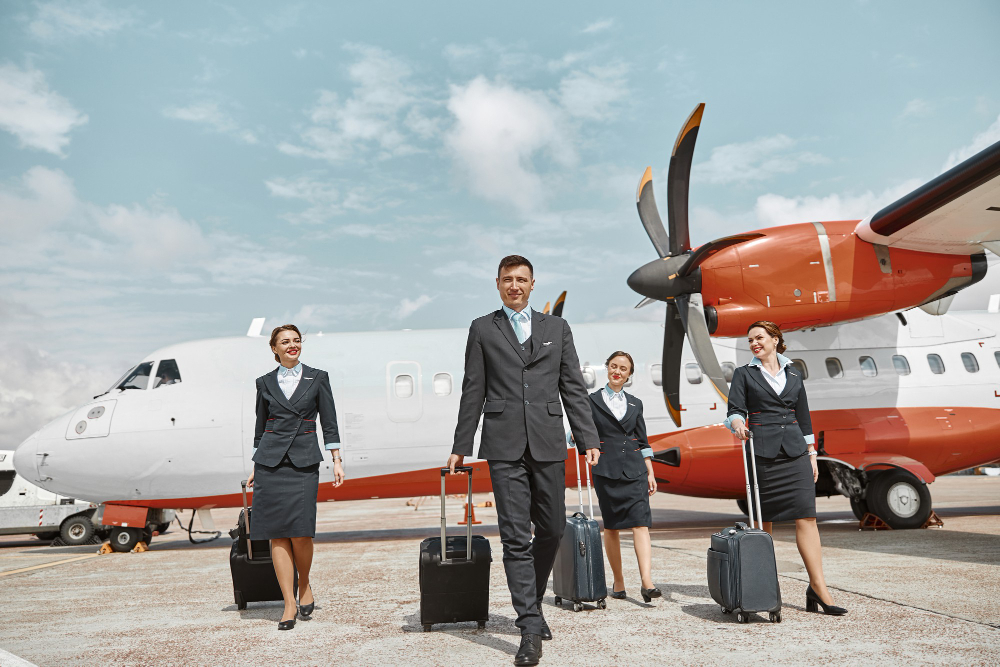
In the busy world of aviation, air hostesses, also known as flight attendants, are the dedicated professionals who ensure every flight runs smoothly and safely. They are often passengers' first and last point of contact, offering a blend of hospitality and robust safety measures.
This blog explores the comprehensive training and critical responsibilities that define the role of an air hostess, highlighting the crucial balance between customer service and safety protocols.
Air hostesses are integral to the airline industry, wearing many hats that extend beyond mere service. Their primary responsibility is ensuring passenger safety while providing top-notch customer service. The dual nature of their role requires a unique combination of interpersonal skills and rigorous training.
Training: The Backbone of Their Profession
Becoming an air hostess starts with intensive training covering a wide array of skills and knowledge areas. This training is not just about learning how to serve drinks or greet passengers; it’s a comprehensive program designed to prepare them for various scenarios they might encounter mid-flight.
Safety Protocols and Emergency Procedures
Central to their training is an in-depth understanding of safety protocols and emergency procedures. Air hostesses must be proficient in using safety equipment, including life vests, oxygen masks, and fire extinguishers. They undergo recurrent training sessions to ensure they can swiftly and confidently manage these tools in high-pressure situations.
Medical Emergencies
Medical emergencies can arise unexpectedly during flights. Air hostesses are equipped with basic medical training and are responsible for assessing and managing minor medical issues on board. They are trained to administer first aid, provide CPR if necessary, and coordinate with medical professionals on the ground for more severe cases. Their ability to respond promptly and effectively can make a significant difference in the outcome of medical emergencies encountered mid-air.
Pre-Flight Preparations
Before every flight, air hostesses engage in meticulous pre-flight preparations. This process includes familiarizing themselves with the aircraft's layout and emergency equipment locations and reviewing specific flight details provided by the flight crew. They participate in pre-flight briefings where the captain outlines the flight plan, weather conditions, and any potential operational considerations. These briefings emphasize roles and responsibilities in both routine operations and emergency scenarios.
Crisis Communication and Passenger Management
Effective communication is paramount in crises. Air hostesses are trained to relay critical information to passengers promptly and clearly, ensuring everyone understands the necessary actions to take. They act as calming influences, providing reassurance and guidance to passengers while maintaining order and discipline.
Moreover, they are equipped to handle diverse passenger reactions during emergencies, from fear to confusion. Their interpersonal skills are vital in managing potentially stressful situations, ensuring a controlled environment conducive to safety and security.
The Hospitality Element
While safety is paramount, the hospitality aspect of an air hostess's role is equally important. They are the friendly faces passengers interact with throughout their journey, responsible for ensuring comfort and a pleasant travel experience.
Customer Service Excellence
Customer service is at the heart of their job. From greeting passengers as they board to assisting with seating arrangements and addressing any in-flight needs, air hostesses strive to create a welcoming and comfortable environment. They are trained to handle various situations, from dealing with difficult passengers to managing special requests with grace and professionalism.
In-Flight Service
During the flight, air hostesses manage the distribution of meals and beverages, ensuring that all passengers are catered to according to their preferences and dietary needs. They are also responsible for maintaining cleanliness in the cabin and ensuring that all safety regulations, such as seatbelt use and electronic device restrictions, are followed.
The best air hostess training college in Kolkata plays a crucial role in equipping aspiring air hostesses with the necessary skills and knowledge. These institutions offer comprehensive training programs that cover safety protocols, emergency management, customer service, and more.
Air Hostesses are much more than service providers. They are highly trained professionals entrusted with the safety and comfort of passengers on every flight. Their rigorous training in safety protocols and emergency procedures, combined with their commitment to exceptional customer service, makes them essential to the aviation industry.

Leave a comment