 CCPTR,
  Confederation with Confederation of Indian Industry(CII)


 Federation of Indian Chambers of Commerce and Industry
 National Skill Development Corporation
 DGCA-Approved for Dangerous Goods Training(DGR)
 Ministry of Education
 MoE's Innovation Cell
 Institution's Innovation Council
 AICTE Approved
 We Offer Student Credit Card (Authorized by The Government of West Bengal)

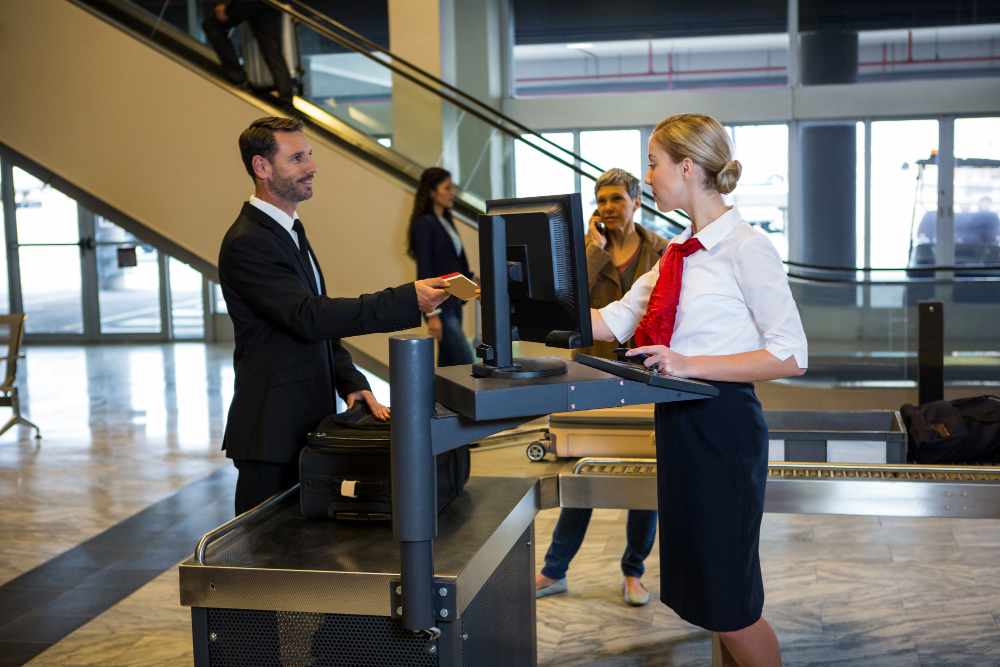
Air travel has evolved from being a simple mode of transport to an experience that passengers remember long after their journey ends. Behind every smooth boarding, timely flight, and comfortable journey lies the work of aviation management professionals. These individuals are responsible for creating an environment where passengers feel valued, safe, and cared for at every stage of their journey.
Aviation management is the backbone of airport and airline operations. It brings together planning, coordination, and execution to ensure flights operate efficiently while passengers enjoy a seamless experience. From ticket booking to baggage handling, customer service, in-flight services, and airport facilities, management decisions directly impact how passengers perceive their journey. Aviation management courses equip students with the knowledge and skills to handle these critical responsibilities effectively.
Making Operations Smooth for Passengers
Efficient operations make a big difference in how passengers feel. Long check-in lines, delayed flights, and lost baggage can be frustrating. Aviation managers plan processes to reduce waiting times and make travel easier. They organize check-in counters, self-service kiosks, and online booking systems so passengers can start their journey without stress. They also ensure luggage is handled properly and flights stay on schedule, helping travelers feel confident that their time and belongings are respected.
Elevating Customer Service
Customer service is key to aviation management. Managers train ground staff, check-in agents, and cabin crew to anticipate passenger needs and respond effectively. Friendly, professional interactions can turn a routine flight into a positive experience, while poor service can leave a lasting negative impression.
Aviation managers focus on creating service standards and protocols for handling different situations. Whether it’s assisting elderly passengers, helping families with young children, or managing passengers with disabilities, having trained personnel ready to provide personalized support makes a noticeable difference. Attention to these details ensures passengers feel respected and cared for, enhancing their overall perception of the airline or airport.
Ensuring Safety and Security
Passenger experience is closely linked to safety. Confidence in security procedures and in-flight safety measures allows passengers to relax and enjoy their journey. Aviation managers oversee security protocols, emergency preparedness, and staff training to maintain high safety standards.
From baggage screening to emergency drills, every process is designed to protect passengers without causing unnecessary delays or anxiety. A smooth security experience, where procedures are effective yet seamless, enhances trust and contributes to a sense of comfort. Safety combined with efficiency reassures passengers that the airline values their well-being.
Using Technology to Improve Travel
Technology plays an important role in modern aviation management. Mobile apps for ticketing and boarding passes, automated baggage handling, and real-time flight updates make travel easier for passengers. Aviation managers make sure these tools work smoothly and actually help travelers.
Online feedback systems help managers understand how passengers feel and respond quickly to any concerns. Regular updates and clear communication make the travel experience easier, more comfortable, and more connected for passengers.
Creating a Passenger-Centric Culture
The role of aviation management is about fostering a culture where passenger experience is a priority. Every decision, from operational planning to staff training, is guided by how it affects travelers. Managers study passenger behavior, gather insights, and implement strategies that make journeys easier, more comfortable, and more enjoyable.
By considering passenger needs in every decision, aviation management ensures that each interaction adds to a positive travel experience.
Aviation management is the invisible force shaping every travel experience, balancing efficiency, safety, and customer service. Through careful planning and attentive staff training, aviation managers make air travel smooth and enjoyable. For passengers, this means less stress and more confidence, while for the industry, it builds trust and loyalty. Those aspiring for a career in aviation can gain the right skills by enrolling in the best aviation college in Kolkata.

Leave a comment