 CCPTR,
  Confederation with Confederation of Indian Industry(CII)


 National Skill Development Corporation
 DGCA-Approved for Dangerous Goods Training(DGR)
 Ministry of Education
 MoE's Innovation Cell
 Institution's Innovation Council
 AICTE Approved
 We Offer Student Credit Card (Authorized by The Government of West Bengal)

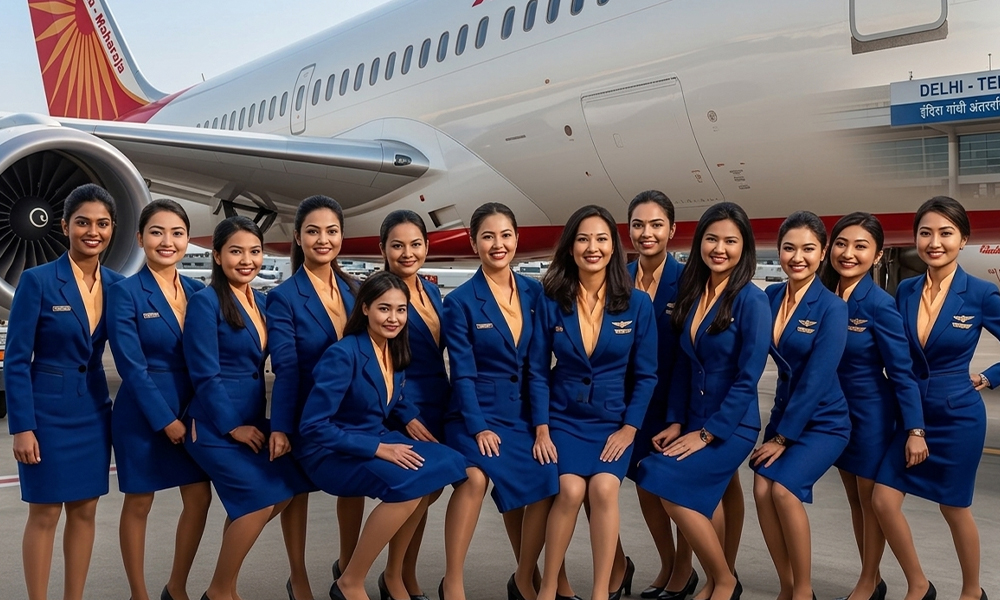
Completing Class 12 is a turning point in a student’s life. It is the time when young individuals begin thinking seriously about their future careers. While some choose traditional academic paths, many students today are attracted to professional training programmes that prepare them for specific industries. Among these options, air hostess training has gained strong interest from students who wish to build a career in aviation.
Air travel continues to grow in India and around the world. Airlines are expanding their routes and introducing new flights to meet rising passenger demand. This growth has increased the need for trained cabin crew professionals who can assist passengers and maintain comfort and safety during flights. For many students, air hostess training after Class 12 offers an exciting opportunity to step into this dynamic industry.
Early Entry into the Aviation Industry
One of the main reasons students choose air hostess training after Class 12 is the opportunity to begin their aviation journey early. Professional training programmes introduce students to the airline environment and prepare them for cabin crew responsibilities.
Instead of spending several years in general academic studies, students receive focused training that prepares them directly for aviation roles. The course helps them understand airline operations, passenger service responsibilities, and professional behaviour expected in the industry. Early exposure to these areas helps students develop confidence and familiarity with the aviation sector while they are still young.
Attractive Career Opportunities
The aviation industry offers a wide range of career opportunities, and the role of an air hostess remains one of the most recognised positions. Cabin crew professionals work closely with passengers and contribute to a comfortable travel experience throughout the journey.
Students are often drawn to this career because it combines responsibility with a dynamic work environment. Flights connect different cities and countries, which allows cabin crew members to interact with passengers from diverse cultures and backgrounds. For students who enjoy communication, travel, and service-oriented work, air hostess training becomes an appealing career choice.
Development of Communication and Personality Skills
Air hostess training focuses strongly on communication and personality development. Cabin crew members interact with passengers throughout the flight, so professional communication becomes an essential skill.
During training, students practise speaking with confidence, maintaining polite conversations, and responding to passenger queries with patience. These exercises help them become comfortable interacting with people in different situations.
Personality development sessions guide students in improving posture, grooming, and overall presentation. As students practise these aspects regularly, their confidence grows naturally. Many students appreciate this personal growth during the training process. The course helps them become more expressive, disciplined, and comfortable in professional settings.
Learning Professional Grooming and Etiquette
Professional appearance plays an important role in aviation careers. Airlines expect cabin crew members to maintain a neat and polished presentation while representing the airline in front of passengers.
Air hostess training programmes teach students about grooming standards followed in the aviation industry. Training sessions include guidance on professional attire, personal hygiene, and maintaining a pleasant appearance during long flights. Students also learn service etiquette, which includes greeting passengers warmly, assisting them politely, and maintaining respectful communication throughout the journey. These lessons help students develop habits that remain valuable throughout their careers.
Understanding Passenger Service Responsibilities
Passenger service remains an important responsibility for cabin crew members. During flights, passengers may need assistance with seating, luggage placement, meal service, or general information about the journey.
This training prepares students to handle these situations confidently. Practical sessions recreate common passenger interactions so that students learn how to respond calmly and politely. Students also learn how to manage situations where passengers feel anxious or require extra assistance during the flight. Training helps them maintain patience while offering reassurance and support. Such preparation allows students to enter airline interviews with greater confidence.
Safety Awareness and Responsibility
Cabin crew members carry important safety responsibilities during flights. Airlines rely on trained professionals who understand safety procedures and emergency instructions.
Training programmes introduce students to safety awareness and basic emergency procedures followed inside an aircraft. Students learn how to guide passengers during safety demonstrations and how to assist during unexpected situations. Understanding these responsibilities helps students realise the importance of professionalism and alertness while working in aviation.
Opportunities for Personal Growth
Students often choose air hostess training because the course encourages strong personal development. Training requires discipline, punctuality, teamwork, and consistent effort.
Group activities, communication exercises, and practical learning sessions allow students to interact with classmates while building teamwork skills. These experiences help students grow both personally and professionally. Confidence increases as students practise speaking in front of others, participate in discussions, and handle simulated passenger situations during training.
Preparing for Airline Interviews
Airline recruitment processes focus on communication skills, professional appearance, and confidence. Air hostess training programmes guide students in preparing for these interviews.
Students practise answering interview questions, improving body language, and maintaining a professional presence during conversations. Mock interview sessions allow them to experience the recruitment environment before facing actual airline interviews. This preparation helps reduce nervousness and improves performance during airline selection processes.
The aviation industry offers continuous learning for cabin crew professionals, as every flight brings new passengers and experiences. This dynamic environment attracts many students after Class 12. Training at the best air hostess training college in Kolkata helps students prepare for this profession with confidence while developing communication skills and a strong service-oriented approach.

Leave a comment