 CCPTR,
  Confederation with Confederation of Indian Industry(CII)


 Federation of Indian Chambers of Commerce and Industry
 National Skill Development Corporation
 DGCA-Approved for Dangerous Goods Training(DGR)
 Ministry of Education
 MoE's Innovation Cell
 Institution's Innovation Council
 AICTE Approved
 We Offer Student Credit Card (Authorized by The Government of West Bengal)

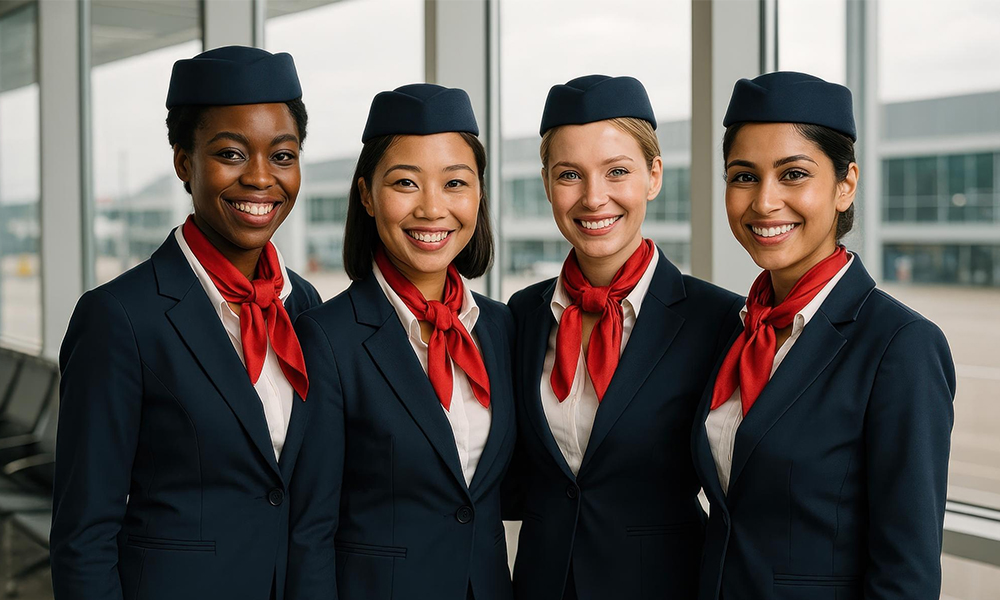
The role of cabin crew has changed dramatically over the past decade. It’s no longer limited to serving meals, demonstrating safety procedures, or keeping passengers comfortable. Modern cabin crew members have to juggle safety, technology, passenger care, and environmental practices, all while responding to unexpected situations mid-air.
Working With Technology in the Cabin
Technology has become a key part of the job. Cabin crew now use tablets to access passenger details, track special requests, and manage meal preferences. Digital systems also allow them to report maintenance issues and communicate instantly with pilots and ground staff.
Even with these tools, technology cannot replace human judgment. Crew members must interpret information, anticipate passenger needs, and respond to unexpected situations, from assisting a passenger with a medical device to calming someone anxious during turbulence. Their experience and decision-making ensure that flights run safely and smoothly while passengers receive attentive, personalized care.
Handling Passenger Health and Safety
Health emergencies are becoming a more common responsibility for cabin crew. They are trained through a top cabin crew training program to handle a variety of situations, from allergic reactions and motion sickness to more serious incidents like cardiac events. Airlines equip crew with first-aid kits, automated external defibrillators, and oxygen equipment to ensure they can respond effectively.
Safety remains a core part of the job, but it has grown more complex. Modern aircraft have larger seating capacities, more electronics, and advanced emergency systems. Cabin crew must know how to operate new safety equipment, manage large groups of passengers during turbulence, and ensure everyone follows safety procedures in a calm, efficient manner.
Meeting Diverse Passenger Needs
Passenger expectations have evolved. Families, elderly travelers, and passengers with disabilities now expect personalized attention. Cabin crew are trained to help passengers board efficiently, store luggage safely, and settle in comfortably.
For example, a crew member might assist a senior traveler with a walking aid, help a parent calm a crying child, and ensure a business passenger has the right power outlet and Wi-Fi access, all on the same flight. The ability to observe and respond quickly to passenger needs is more important than ever.
Sustainability on Board
Airlines are trying to reduce waste and operate more sustainably, and cabin crew play a key role in this effort. They encourage passengers to minimize disposable items, help manage recycling, and follow protocols for efficient fuel use and waste management.
For instance, using digital menus instead of printed ones or reducing single-use plastics in meal service are small but important tasks for cabin crew. These changes require crew to adopt new habits and educate passengers subtly, without compromising service.
Balancing Service With Problem-Solving
Modern cabin crew spend as much time solving problems as providing service. This can mean calming anxious passengers, handling delays or missed connections, or mediating conflicts between travelers. Every flight presents different challenges, and the crew must think on their feet to keep the journey smooth.
It’s common for crew members to deal with language barriers, unfamiliar medical situations, or last-minute passenger requests. These scenarios require experience, observation, and communication skills that go far beyond traditional service roles.
Continuous Learning and Specialization
Airlines now provide frequent training to cabin crew to help them stay up-to-date with regulations, safety procedures, and customer service standards. Some crew members specialize in certain areas, such as safety training, premium cabin service, or handling passengers with special needs.
The work is dynamic. One day a crew member might assist with meal service in a crowded economy cabin; the next day, they might lead a safety briefing or support a medical situation. The variety keeps the role challenging and engaging.
Cabin crew roles have become richer, more complex, and more human-centered. They combine safety, service, technology, and passenger care in ways that demand skill, attention, and empathy. Crew members are no longer just attendants; they are problem-solvers, first responders, and coordinators. For anyone considering a career as cabin crew, enrolling in the best cabin crew training college in Kolkata can provide the foundation needed to handle real challenges, varied tasks, and constant learning. Each flight is different, and the training helps future crew members develop the skills to manage multiple responsibilities while keeping passengers safe and comfortable, making modern cabin crew roles truly unique.

Leave a comment