 CCPTR,
  Confederation with Confederation of Indian Industry(CII)


 Federation of Indian Chambers of Commerce and Industry
 National Skill Development Corporation
 DGCA-Approved for Dangerous Goods Training(DGR)
 Ministry of Education
 MoE's Innovation Cell
 Institution's Innovation Council
 AICTE Approved
 We Offer Student Credit Card (Authorized by The Government of West Bengal)

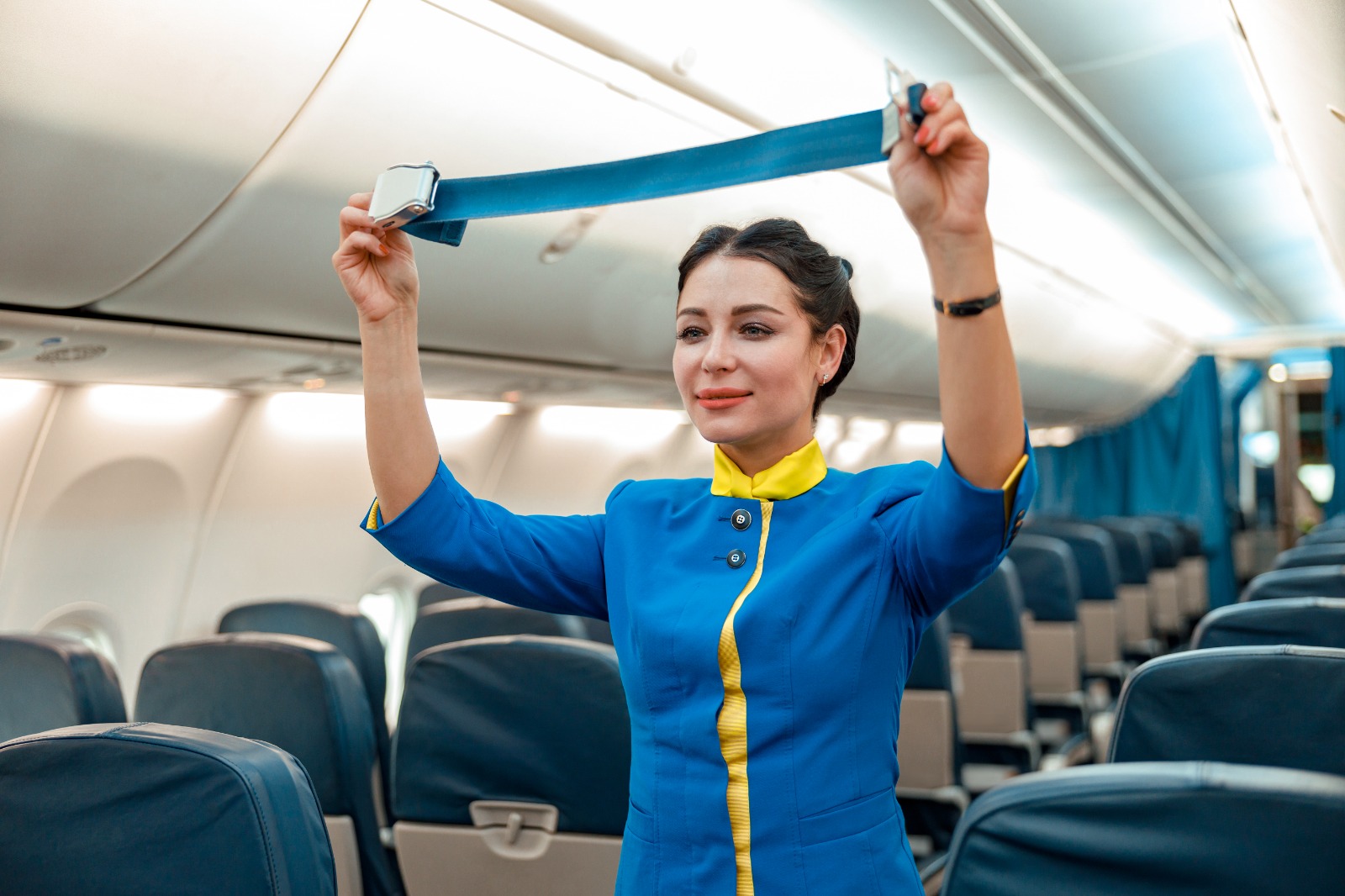
The world of aviation is constantly evolving, and with it, the role of air hostesses is also transforming. Once primarily responsible for passenger safety and comfort, today’s air hostesses are expected to offer much more, ensuring excellent customer service, being tech-savvy, and adapting to the diverse needs of passengers. As airlines continue to grow and the travel experience evolves, air hostess training programs are adapting to meet these modern challenges.
This shift in training is a response to changing passenger expectations, the use of new technologies, and the growing importance of soft skills like communication and empathy. Let’s take a look at how air hostess training programs have evolved to meet these modern needs.
Adapting to Passenger Expectations
In the past, air hostesses were seen as attendants who mainly ensured passenger safety, provided food and beverages, and helped with basic needs. While these tasks are still central to their role, passengers today expect much more. With airlines now offering a wide range of services from budget-friendly to luxury options, air hostesses must be prepared to cater to a variety of passengers with different needs and preferences.
Modern air hostess training focuses heavily on customer service and emotional intelligence. Trainees are taught to understand the diverse cultural backgrounds of passengers, ensuring they can respond to any situation with grace and professionalism. For instance, dealing with unhappy or distressed passengers requires patience, empathy, and the ability to resolve conflicts efficiently. Air hostesses are also trained to understand the psychological aspects of travel. Whether it’s calming nervous flyers or handling family dynamics, these skills are now a key part of their training.
Airlines are also emphasizing the importance of understanding passenger needs beyond basic comfort. Air hostesses are trained to anticipate needs, whether that’s offering a blanket on a cold flight or providing extra attention to elderly or special-needs passengers. This personalized care is becoming a hallmark of modern air travel.
Incorporating Technology into Training
The rise of technology in the aviation industry has made air travel more convenient but has also changed the way air hostesses do their jobs. Today’s air hostesses are expected to use various technologies to enhance the passenger experience. From managing in-flight entertainment systems to operating cabin lighting, air hostesses need to be familiar with a wide array of technical systems.
As a result, training programs now include modules that teach air hostesses how to operate and troubleshoot modern technology. This includes training on in-flight entertainment systems, digital communication tools, and even apps used by passengers to make requests. Air hostesses also receive training on how to assist passengers with their personal devices, as many travelers rely on mobile apps and electronic devices for various aspects of their journey.
Furthermore, the role of social media in the travel experience is being acknowledged. Passengers often take to platforms like Twitter or Instagram to share their experiences both positive and negative. Air hostesses are now trained to handle such situations delicately, maintaining professionalism while interacting with online reviews and feedback.
Safety Protocols for Modern Challenges
While passenger comfort is important, safety remains the primary responsibility of an air hostess. However, as air travel becomes more complex, so do the safety challenges. Today’s air hostesses are expected to handle everything from emergency landings and medical emergencies to security threats.
Training programs now go beyond the basics of emergency protocols. Air hostesses are trained to handle complex medical emergencies with advanced first aid techniques, including CPR and defibrillator usage. They also learn how to manage passengers during high-stress situations, such as dealing with uncooperative or disruptive individuals.
As aviation technology continues to evolve, air hostesses are also trained in new types of aircraft and the safety protocols specific to them. For example, with the rise of newer aircraft like the Boeing 787 and Airbus A350, air hostesses need to be familiar with updated safety features, evacuation procedures, and in-flight systems unique to these planes.
Focus on Diversity and Inclusion
As the world becomes more interconnected, passengers from all over the world travel on the same flights. This shift has led to an increased focus on diversity and inclusion in air hostess training. Today’s air hostesses are trained to be culturally sensitive and aware of the various customs, traditions, and dietary requirements of passengers from different backgrounds.
Whether it’s understanding dietary restrictions or navigating cultural differences in communication styles, air hostesses are equipped to make every passenger feel comfortable and respected. Training also includes learning foreign languages or common phrases, which is particularly helpful for international flights. This focus on diversity ensures that all passengers feel valued and understood during their journey.
Personal Well-being and Self-Care
The physically demanding nature of the air hostess profession is not a new concept, but the emphasis on mental well-being is a more recent addition. Air hostesses work long hours, often in confined spaces, and face the challenge of managing their health while maintaining a high level of service. Therefore, modern training programs also include wellness and self-care.
Air hostesses are taught stress-management techniques to help cope with the pressures of the job. Programs now emphasize the importance of physical fitness, healthy eating, and good sleep hygiene to ensure air hostesses remain in peak condition. They are also trained to identify signs of stress or burnout in themselves and their colleagues, ensuring they know when to seek help.
Flexible and Ongoing Training
The aviation industry is constantly changing, and so are the requirements for air hostesses. As new technologies, aircrafts, and regulations come into play, air hostess training programs have adapted to be more flexible and ongoing. Instead of a one-time certification, air hostesses are encouraged to participate in continuous training throughout their careers.
From attending refresher courses on safety protocols to learning about new customer service trends, this ongoing learning ensures that air hostesses are always up-to-date with the latest industry developments. This flexibility not only benefits the air hostesses but also ensures airlines maintain a high level of service and safety.
Air hostess training has evolved beyond basic safety and service to include technology, cultural awareness, personal well-being, and customer care. The best air hostess training college in Kolkata ensures students are industry-ready with practical skills and professional grooming. As air travel continues to change, training remains dynamic, preparing air hostesses for a rewarding and impactful career.

Leave a comment