 CCPTR,
  Confederation with Confederation of Indian Industry(CII)


 Federation of Indian Chambers of Commerce and Industry
 National Skill Development Corporation
 DGCA-Approved for Dangerous Goods Training(DGR)
 Ministry of Education
 MoE's Innovation Cell
 Institution's Innovation Council
 AICTE Approved
 We Offer Student Credit Card (Authorized by The Government of West Bengal)

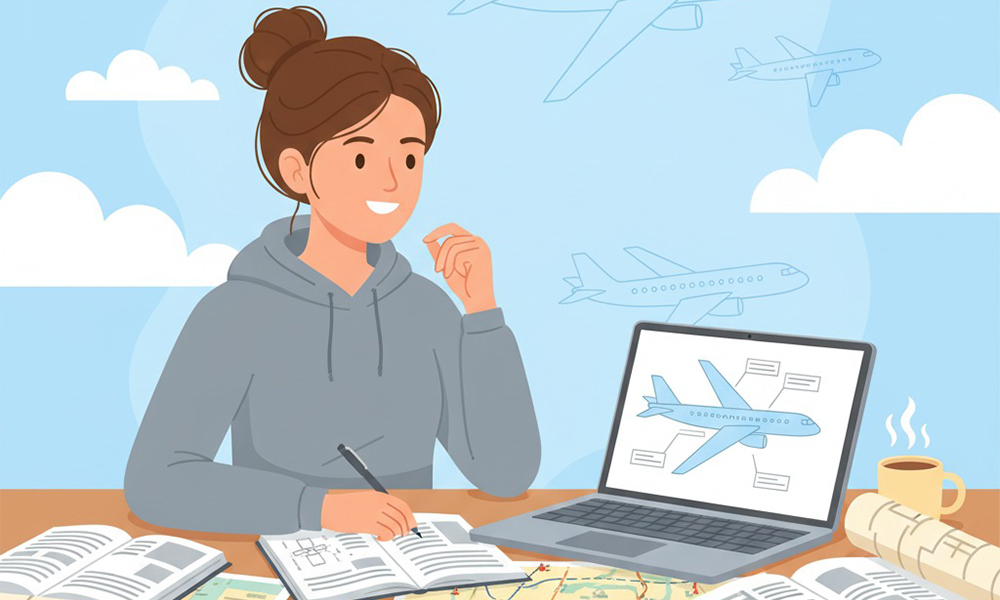
Overcoming Obstacles: A Complete Guide for Aspiring Aviation Professionals
Aviation is a field full of excitement, global exposure, and promising career opportunities. For many students, the dream begins with the fascination of working at airports, or serving passengers on international flights. However, aspiring aviation professionals face several challenges along the way. Academic demands, physical and mental requirements, and the competitive nature of the industry can feel overwhelming. Recognizing these challenges and learning practical ways to overcome them is essential for success in this dynamic sector.
Challenges and How to Overcome Them
Adapting to Rigorous Academic and Practical Training
Aviation courses involve both theoretical knowledge and hands-on training. Students often find it challenging to balance technical subjects, operational procedures, and practical exercises. Maintaining a structured study plan and dedicating time to practice skills regularly helps build confidence. Seeking guidance from instructors and peers can also clarify doubts and strengthen understanding.
Developing Strong Communication Skills
Clear and confident communication is crucial for interacting with passengers, colleagues, and supervisors. Many students struggle with language fluency and public speaking initially. Practicing daily conversations, participating in mock scenarios, and attending communication workshops can improve both confidence and effectiveness, opening doors to domestic and international airline opportunities.
Maintaining Physical and Mental Fitness
Aviation professionals need stamina and alertness due to long working hours, irregular shifts, and continuous movement. A healthy routine including balanced nutrition, regular exercise, and sufficient rest is essential. Stress management techniques like mindfulness or meditation help maintain composure during high-pressure situations.
Gaining Practical Experience
Hands-on experience is vital to apply theoretical knowledge effectively. Many students face difficulties finding internships or training programs. Actively seeking opportunities through aviation colleges, networking events etc. can provide valuable exposure. Practical experience enhances skills, builds confidence, and makes candidates attractive to employers.
Meeting Health and Industry Standards
Roles such as cabin crew require specific height, weight, eyesight, and overall health standards. Students may feel discouraged if they struggle to meet these criteria. Regular health check-ups, proper diet, and fitness routines improve eligibility. Focusing on controllable aspects and maintaining a positive mindset ensures steady progress toward career goals.
Preparing for Airline Interviews and Selection
Airline interviews involve personal assessments, group discussions, and scenario-based evaluations. Nervousness or lack of preparation can affect performance. Researching the airline, understanding interview patterns, and practicing mock sessions boost confidence. Awareness of grooming, professional etiquette, and cultural sensitivity adds an extra layer of readiness.
Handling Competition and Career Pressure
The aviation industry is highly competitive, and students often feel the pressure to secure top positions. Comparing progress with peers or worrying about opportunities can create stress. Adopting a growth mindset, celebrating small achievements, and continuously improving skills helps manage pressure. Mentorship and peer support encourage during challenging times.
Developing Adaptability
Airlines operate in dynamic environments where schedules, customer needs, and emergency situations frequently change. Students who remain flexible, learn quickly, and embrace new experiences are better prepared for the industry. Staying calm under pressure and learning from mistakes ensures long-term career growth.
Challenges are a natural part of pursuing a career in aviation. Each obstacle provides an opportunity to grow, develop skills, and build resilience. By focusing on academics, practical training, communication, fitness, adaptability, and preparation for industry standards, aspiring aviation professionals can achieve their dreams. Choosing the best aviation college in Kolkata ensures strong guidance and training to overcome these challenges. Dedication, discipline, and continuous learning transform aspirations into successful careers in airlines, airport operations, or passenger service roles in the dynamic world of aviation.

Leave a comment