 CCPTR,
  Confederation with Confederation of Indian Industry(CII)


 Federation of Indian Chambers of Commerce and Industry
 National Skill Development Corporation
 DGCA-Approved for Dangerous Goods Training(DGR)
 Ministry of Education
 MoE's Innovation Cell
 Institution's Innovation Council
 AICTE Approved
 We Offer Student Credit Card (Authorized by The Government of West Bengal)

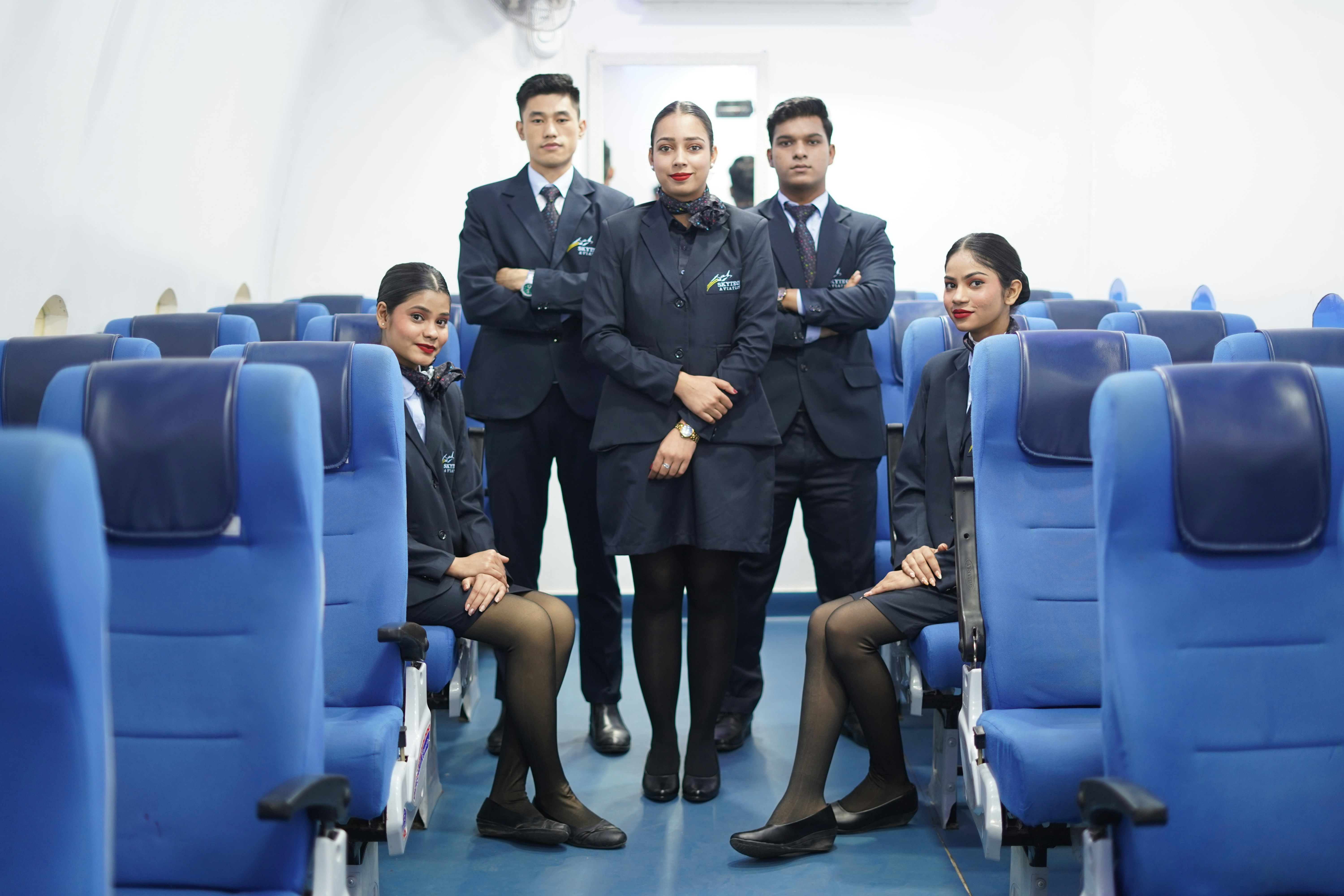
Career choices among students have changed greatly over the last few years. Earlier, many students focused mainly on conventional professions such as engineering, medicine, banking, or government jobs. Today, students are exploring careers that offer practical learning, professional exposure, communication-based roles, and opportunities to work in dynamic environments. Aviation has become one of the fields attracting this new generation of students.
The aviation industry creates a work culture that feels energetic, professional, and people-oriented. Students who enjoy communication, travel, teamwork, and customer interaction are finding aviation careers more exciting than traditional desk-based roles.
Students Want Careers That Feel Engaging
Many young people today look for careers where every day feels different. Conventional office jobs may appear repetitive to students who enjoy active environments and regular interaction with people. Aviation careers offer faster-paced workplaces where professionals handle passengers, airport operations, hospitality services, and customer support.
Airports operate throughout the day and connect people from different cities and countries. This environment attracts students who enjoy learning through real experiences instead of sitting through long routine schedules.
Practical Learning Attracts Modern Students
Traditional career paths usually focus heavily on theoretical education for several years before students enter practical work environments. Top Aviation courses like BBA IN Aviation Operations , Diploma in Aviation Hospitality and Aviation Management etc are different because they introduce students to industry-based learning from an early stage.
Students participate in grooming sessions, communication training, personality development, customer service activities, and operational learning. Practical exposure helps many students feel more confident about entering professional roles after completing their course.
Confidence and Communication Build Career Growth
Communication skills play a major role in aviation careers. Students learn how to speak professionally, assist passengers, handle difficult situations, and work as part of a team. These qualities help build confidence both personally and professionally.
Many students feel that aviation training improves their personality development along with career preparation. Learning how to interact confidently with people becomes valuable in every professional environment.
Exposure to Professional Environments
Young students today are strongly attracted to careers that provide professional exposure at an early stage. Aviation courses introduce students to airport environments, hospitality operations, airline procedures, and customer handling systems during training itself.
This exposure creates excitement and motivation among students because they can understand how the industry functions before starting full-time employment. Practical learning environments also help students prepare mentally for workplace responsibilities.
Opportunities in Different Career Areas
Aviation careers are no longer limited to becoming a pilot or cabin crew member. The industry offers opportunities in airport ground operations, customer service, aviation hospitality, ticketing, airline management, cargo handling, and travel services.
Students appreciate having multiple career options within the same industry. This flexibility allows them to choose roles based on their interests, communication skills, and career goals.
A Career That Feels Modern and Professional
Modern students are drawn toward careers that combine professionalism, personality development, and interaction with people. Aviation careers create that combination naturally. Grooming standards, workplace discipline, communication skills, and customer service training help students develop a polished professional image.
Many students also enjoy the idea of working in airports and travel-related industries because these workplaces feel vibrant and globally connected.
Family Support for New-Age Careers
Parents are also becoming more supportive of professional courses connected to aviation and hospitality industries. Better awareness about career opportunities, training institutes, and placement support has encouraged families to consider aviation as a stable career choice.
Students today are discussing career satisfaction along with financial stability. A profession that matches personality, communication style, and career interests becomes more appealing to many young learners.
Aviation careers continue to attract students who want professional exposure, practical learning, and exciting workplace experiences. Communication skills, teamwork, personality development, and customer interaction make this industry appealing to a generation looking for modern career paths.
As industries continue changing, students are becoming more open to careers that combine learning, confidence, and real-world experience. Choosing the best aviation college to pursue a top aviation course helps students gain stronger industry exposure, professional training, and better preparation for future aviation careers.

Leave a comment